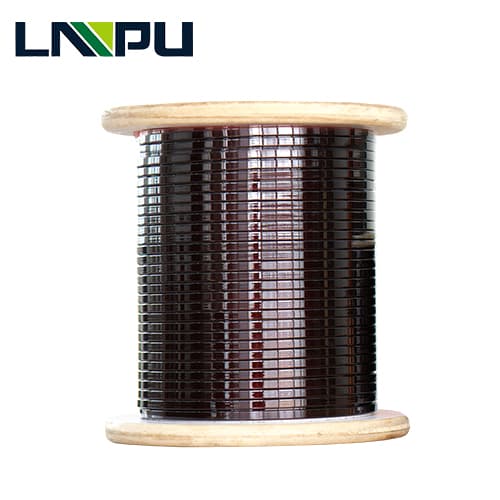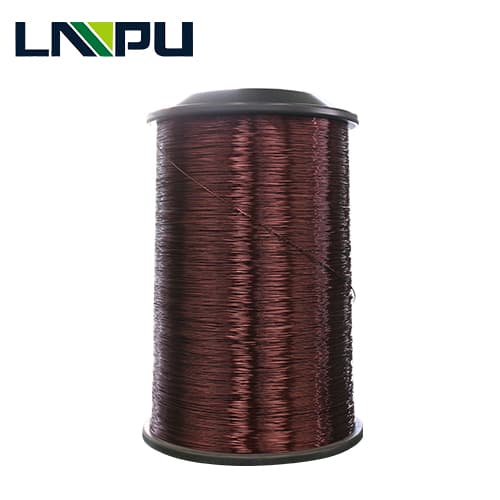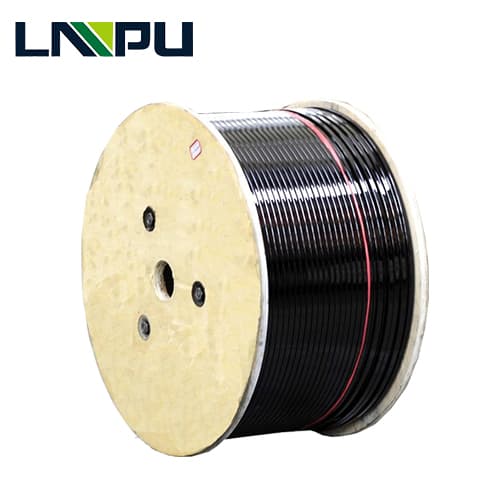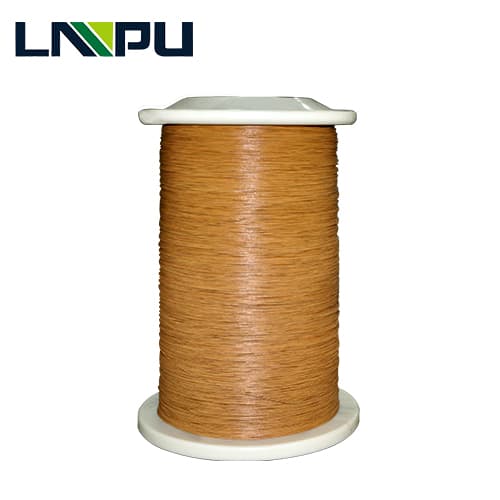
What is Polyvinyl Acetal Enameled Aluminum Wire?
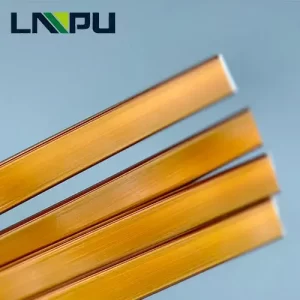
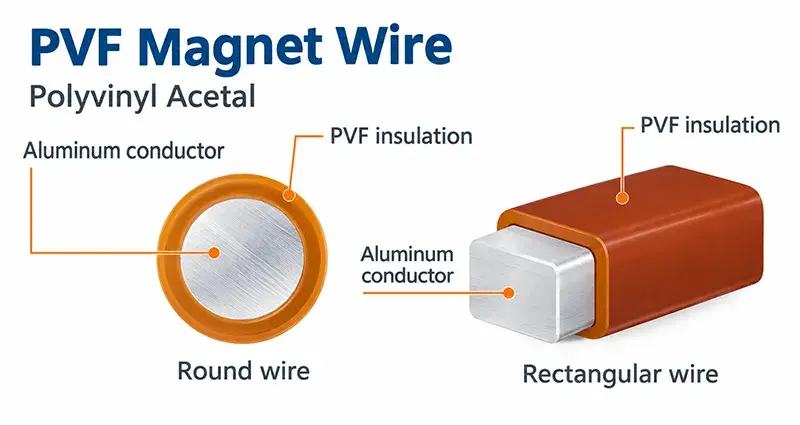
Polyvinyl Acetal (PVF) Enameled Aluminum Wire is a type of insulated wire where a aluminum conductor is coated with a polyvinyl acetal-based enamel. This enamel serves as an insulating layer, providing excellent electrical, thermal, and mechanical properties. The rectangular shape of the wire allows for efficient space utilization in electrical devices, making it ideal for applications where compact design is crucial. It is commonly used as winding wire in electrical equipment where lightweight aluminum conductors and reliable enamel insulation are required.
Techinical Specifications
| Conductor | Aluminum Rod |
| Dimension | thickness: 0.8-10mm, width: 2-25mm or custom size |
| Thermal Class | 105°C (Class A), 120°C (Class E) |
| Insulation | Polyvinyl Acetal / PVF |
| Insulation Build | Heavy build, quad build |
| Shape | Round / Flat / Rectangular |
| Standard | NEMA MW18 – A, NEMA MW18 – C |
| Certificate | UL, ISO |
| Application | Oil type transformer, oil-filled voltage regulator, etc. |
| Standard | IEC / NEMA / JIS / GB |
| Packing | Use our standard or custom options |
Why Choose Polyvinyl Acetal Enameled Aluminum Wire?
Excellent Insulation Properties: It resists electrical breakdown and minimizes energy loss.
Excellent Thermal Stability: Suitable for applications where superior heat resistance is required.
Lightweight and Cost-Effective:Aluminum is lighter and more cost-effective than copper
Durability and Flexibility
Environmental Resistance: The polyvinyl acetal enamel is resistant to moisture, chemicals, and abrasion, ensuring long-term reliability in harsh conditions.
Electrical Insulation: The polyvinyl acetal enamel coating provides reliable electrical insulation between adjacent winding turns.
Mechanical Protection: The enamel layer helps protect the aluminum conductor during winding and handling.
Flexible Winding Options: Round, flat and rectangular configurations can be manufactured according to winding requirements.
Customized Production: Conductor dimensions, insulation build, thermal class, spool and packaging can be customized according to customer specifications.
Polyvinyl Acetal vs Polyester Enameled Aluminum Wire
| Feature | IEC 60317-67 | IEC 60317-68 | IEC 60317-73 |
| Thermal class | Class 105 | Class 120 | Class 200 |
| Enamel system | Single polyvinyl acetal or polyvinyl formal coating | Single polyvinyl acetal coating | Dual coating: polyester or polyesterimide base coat plus polyamide-imide overcoat |
| Minimum temperature index | 105 | 120 | 200 |
| Minimum heat-shock temperature | 155 °C | 155 °C | 220 °C |
| Elevated-temperature breakdown-voltage test | 105 °C | 120 °C | 200 °C |
| Insulation grades | Grade 1 and Grade 2 | Grade 1 and Grade 2 | Grade 1 and Grade 2 |
| Flexibility and adhesion | Specific mandrel and 15% stretching requirements | Same specific mandrel and 15% stretching requirements | General requirements of IEC 60317-0-9 apply |
Main Differences
IEC 60317-67 and IEC 60317-68 are very similar.
Both specify single-coated polyvinyl-acetal-type rectangular aluminium wire. Their principal difference is thermal performance: Class 105 versus Class 120. Although both require heat-shock resistance at 155 °C, IEC 60317-68 requires a higher temperature index and a higher breakdown-voltage test temperature.
IEC 60317-73 is a substantially higher-temperature product.
It uses a two-layer insulation system, with polyester or polyesterimide underneath and polyamide-imide on top. This raises the thermal class to 200 and the heat-shock requirement to 220 °C.
The standards do not define the thermal class as the recommended continuous operating temperature.
Actual permissible operating temperature depends on the equipment, insulation system, and service conditions.
Practical Selection
- IEC 60317-67: suitable for lower-temperature applications where Class 105 insulation is sufficient.
- IEC 60317-68: suitable when a moderate improvement to Class 120 is required without changing to a dual-layer enamel system.
- IEC 60317-73: intended for high-temperature windings requiring Class 200 performance and substantially better heat resistance.
Applications of Polyvinyl Acetal Enameled Aluminum Wire
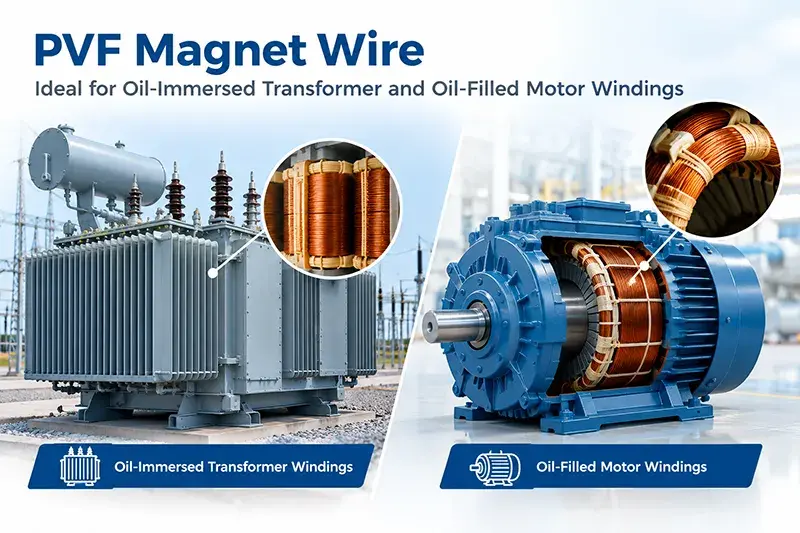
The enameled aluminum wire has been used extensively in electrical equipment and electric motor windings as aluminum is an inexpensive, light weight material with an excellent insulation property. The primary uses of enameled aluminum wire are in transformers (as a lightweight substitute for copper), electric motors, generators, reactors and other electrical equipment.