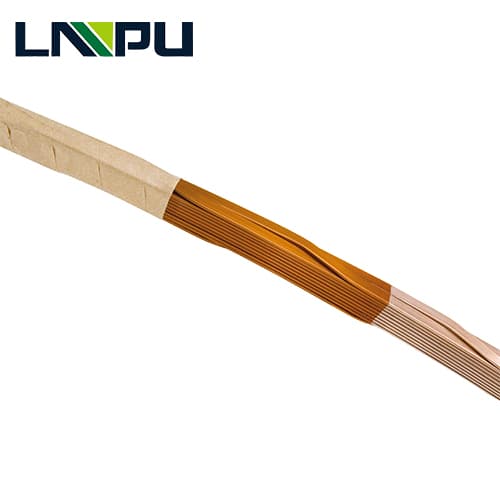
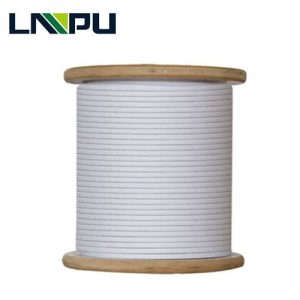
What is Nomex paper wrapped wire?
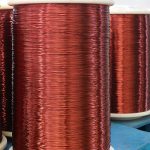
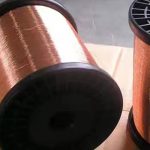
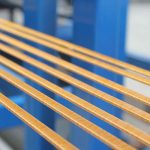
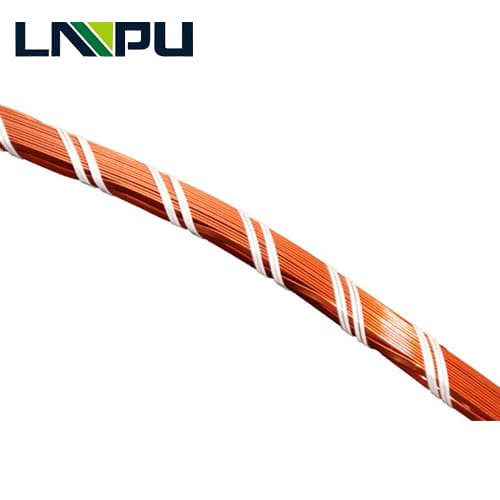
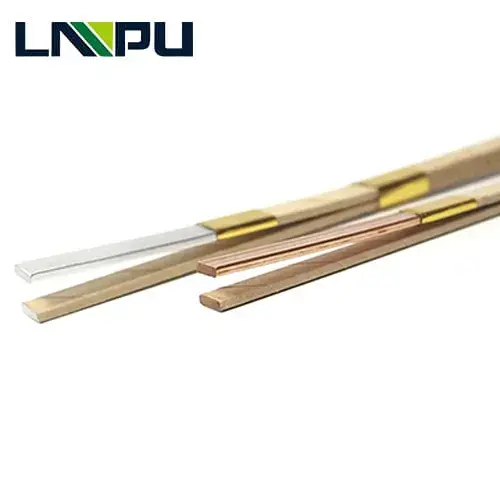
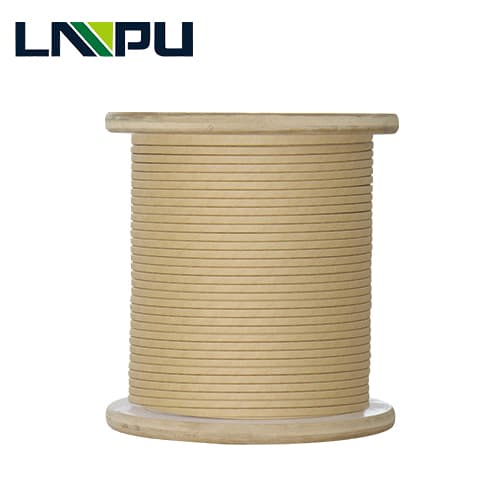
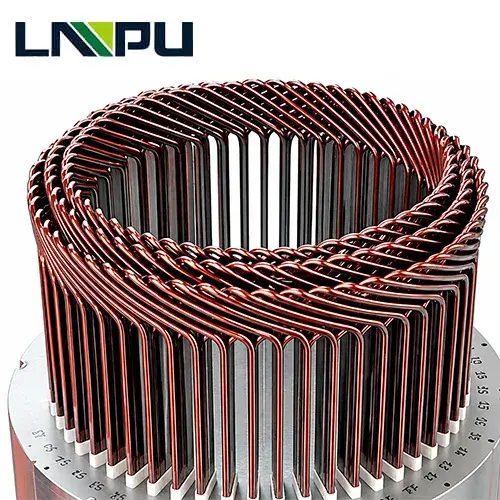
Nomex paper wrapped wire is a high-performance magnet wire that combines DuPont Nomex® aramid paper insulation with a metal conductor. It designs specifically for electrical equipment in extreme environments and performs particularly well in high-temperature, high-voltage, and strong electromagnetic interference scenarios.
Technical parameters:
| Name | Insulation Paper Winding Wire | |
| Conductor aluminum | Round | Rectangular |
| Diameter: 1.0~7.0mm | Thickness(a): 1.0~10.0mm; Width(b): 3.0~20.0mm | |
| Conductor copper | Diameter: 1.0~7.0mm | Thickness(a): 1.0~10.0mm; Width(b): 2.0~20.0mm |
| Insulation Paper type | Nomex paper | |
| Insulation thickness | Single, double or according to your requirement | |
| Standard | IEC,NEMA,GB,JIS | |
| Packing | 30kg~150kg Poly-wooden spool (250*500/ 250*600 | |
| Appication | Oil-immersed transformer windings;medium and alrge | |
NOMEX Paper Covered Enameled Wire advantages
The NOMEX paper has high heat resistance temperature, even when the temperature is as high as 220℃, it still maintains the original insulating properties. In the design of the transformer, the C-class 220°C insulating material uses as the H-class 180°C, which can cope with emergency overload loads and unexpected expansion, which can greatly reduce the backup plan.
Structure
Conductor layer: Typically copper or aluminum rectangular/round wire. Copper conductors offer superior conductivity (resistivity approximately 1.7×10⁻⁸Ω·m), while aluminum conductors offer significant lightweight advantages (density is only 30% of copper).
Insulation layer: DuPont Nomex® aramid paper, typically 0.05–0.5 mm thick, is applied to the conductor surface via an impregnation or wrapping process. Its molecular structure contains aromatic rings and amide bonds, giving the material exceptional heat resistance (continuously resistant to 220°C) and flame retardancy (UL94 V-0 rating).
Compound coating (optional): Some models adopts polyimide (PI) or polyamideimide (PAI) lacquer over the paper layer, creating a “paper + lacquer” dual insulation system to further enhance corona resistance and mechanical strength.