
NEMA Standards (MW 1000) define magnet wire by conductor, insulation, and thermal properties. These specifications ensure performance consistency in electrical applications, from motors to transformers, balancing electrical efficiency with mechanical and thermal reliability.
Insulation Layer
Enamel Build:
The increase in wire dimension (diameter, thickness, width) due to the insulation.
Single build: A reference terminology denoting the lowest of four Standard NEMA film builds.
Heavy build: approximately two times the increases specified for single builds.
Triple build: approximately three times the increases specified for single builds.
Quadruple build: approximately four times the increases specified for single builds.
Self-bonding overcoat:
Manufacturers apply this material as an outer coating to insulated wire; when activated, it acts as a bonding agent.
type 1 self-bonding: A single build insulated magnet wire with a self-bonding outer coating. Maximum diameter ≤ heavy build’s largest allowed dimension.
type 2 self-bonding: A heavy build insulated magnet wire with a self-bonding outer coating. The maximum overall diameter does not exceed the maximum overall diameter of triple build.
type 3 self-bonding: A triple build insulated magnet wire with a self-bonding outer coating. The maximum overall diameter does not exceed the maximum overall diameter of quadruple build.
Insulation materials
covering: A fibrous or tape insulating material that is wound, wrapped, or braided around a bare or film-coated conductor.
film coating: A continuous barrier of polymeric insulation.
varnish: a liquid resin system that forms a dry, tack-free coating.
NOTE—Electrical insulating varnishes mechanically bond, and provide additional electrical insulation to electrical and electronic equipment.
The structure of magnet wire
Magnet wire: An insulated wire uses primarily for the winding of coils in order to provide an electromagnetic field (also known as winding wire).
Insulation: A dielectric medium that is applied to the conductor.
conductor: A substance used to transmit electrical current.
Paper layers or fiberglass layers
Number of layers: The equivalent number of coverings resulting from the number of tapes applied and the percentage of overlap used during the wrapping process.
Number of tapes: The count of different paper or polyimide tapes applied.
Rectangular magnet wire
rectangular wire: NEMA Standard, a wire in which the nominal width and nominal thickness are not equal.
rectangular wire—thickness: The smaller dimension of a bare or insulated rectangular wire.
rectangular wire—width: The larger dimension of a bare or insulated rectangular wire.
Full rounded edge: An edge with corner radii that are essentially half the thickness of the wire
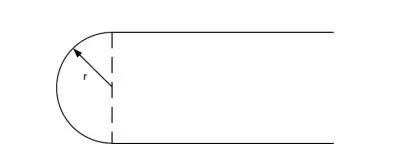
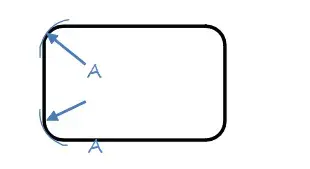
rounded corner: an edge with corner radii that are less than one half the thickness of the wire (see Figure 1)
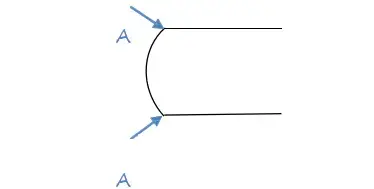
rounded edge: an edge with corner radii that are larger than one half the thickness of the wire (see Figure 2)
Square wire: a wire in which the nominal width and nominal thickness are equal.
References:NEMA. (2021). MW 1000 Standards. https://www.nema.org/standards/mw1000